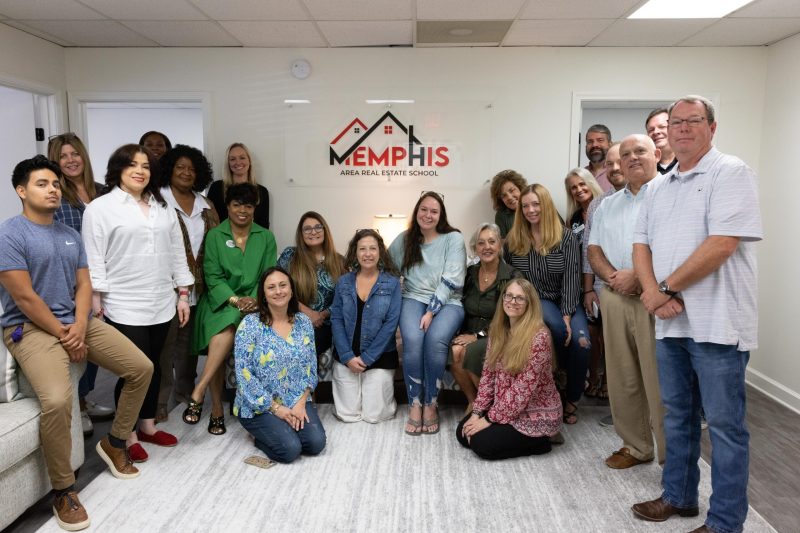
Memphis Area Real Estate School was established in 2022 to promote educational opportunities for those seeking a real estate license, licensees with Continuing Education and those licensees seeking NAR Professional Designation and Certification opportunities.
Our mission is to prepare those seeking a Tennessee real estate license or licensees who wish to upgrade to a Tennessee Brokers license. For current licensees, we offer courses designed to help agents become prepared for real world situations.
Profitable
Our Continuing Education courses are presented so that licensees can receive practical information to immediately incorporate into their business. This includes courses to work more efficiently in all aspects of their business operation.
Protected
Above all, licensees need to be aware of business situations that are high risk. Scenario based course materials demonstrate real life situations and how to use available resources to reduce chances of business interruption.
Subscribe Our Newsletter !
Our newsletter provides useful information on current market conditions and upcoming courses.